Physical Address
304 North Cardinal St.
Dorchester Center, MA 02124
Physical Address
304 North Cardinal St.
Dorchester Center, MA 02124

Gaining Qatar citizenship is something many expats dream about, but the process is far from simple. Qatar is one of the most selective countries in the world when it comes to granting nationality. Still, understanding the legal requirements and pathways can help you assess whether you’re eligible—or whether other long-term residency options might suit you better.How Can I Get Qatar Citizenship? In this article, I’ll break everything down clearly and practically, based on official guidelines, regional legal frameworks, and real-world experiences from people who’ve gone through the process.
Qatar keeps its citizenship system extremely exclusive. Out of millions of residents, only a small percentage are citizens, and the government aims to preserve cultural identity, protect national benefits, and ensure controlled population growth. This means strict criteria, lengthy residency requirements, and very limited approval rates.
Not everyone living in Qatar qualifies. Citizenship is typically granted to:
Children born to Qatari fathers
Children of Qatari mothers in certain cases
Long-term residents meeting naturalization rules
Foreign women married to Qatari men
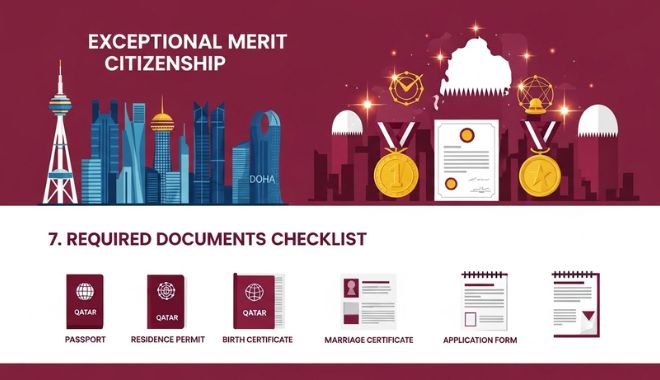
Individuals with exceptional merit
In short, the gateway is narrow, but understanding each path helps you know where you stand.
If your father is Qatari, you automatically qualify as a Qatari citizen—regardless of where you were born. This is the most straightforward citizenship path and does not require an application process.
Children born to Qatari mothers and non-Qatari fathers do not automatically receive citizenship. However, they may apply under special regulations, especially if they were raised in Qatar, have no other national ties, or face hardship without Qatar nationality.
Naturalization is the most challenging route. To qualify, you generally need:
25 consecutive years of legal residency in Qatar
Or 15 years for individuals born in Qatar
Residency must be uninterrupted—extended time abroad can reset the count.
Applicants must maintain a spotless criminal record. Even minor offenses can influence eligibility. Qatar prioritizes individuals who show clear respect for the law and local values.
Naturalization requires demonstrating adequate Arabic proficiency. It doesn’t require mastery, but the applicant should understand and communicate confidently in daily situations.
Applicants must show stable income and a recognized profession. The government wants to ensure new citizens are economically capable and contribute positively to society.
If you have Qatari ancestry—especially through your father—you may qualify. Qatar prioritizes paternal lineage, but certain special cases involving maternal lineage may be considered.
Typical documents include:
Birth certificates
Family lineage documents
Your parents’ official identification
Proof of continuous connection to Qatar
Accuracy and authentication of these documents are critical.
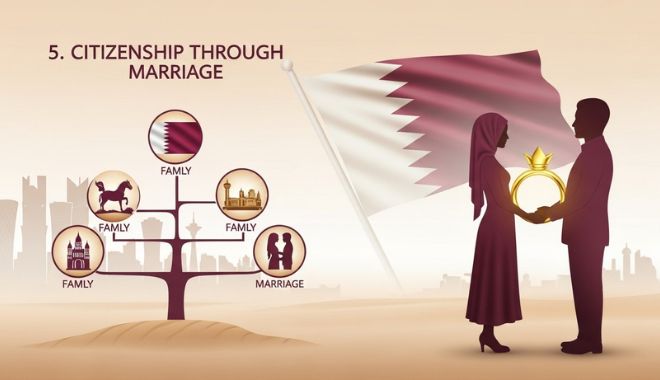
A foreign woman married to a Qatari man may apply for citizenship after five years of marriage, provided she maintains a good reputation, resides in Qatar, and the marriage remains stable. This path is far more accessible than most others.
No. Qatar does not grant citizenship to foreign husbands of Qatari women. Such husbands may receive long-term residency privileges but not nationality.
Qatar may grant citizenship to individuals who demonstrate exceptional achievements in fields such as:
Medicine
Science
Engineering
Sports
Academia
Culture or humanitarian service
Exceptional merit cases often involve direct nomination or recommendation from high-level officials or institutions. This route is not an application-based process but a recognition of national value.
To be considered, you must have uninterrupted residency permits and avoid long trips outside Qatar. Visa renewals must be timely, and all residency records must be clean.
Qatar expects applicants to demonstrate:
A stable job or business
Good financial standing
No debt-related legal issues
This ensures new citizens are self-sufficient and responsible.
A background check includes:
Qatar police clearance
Police clearance from your home country
Moral character is a core part of eligibility.
To be a strong candidate, you must show integration into Qatari society—respecting cultural norms, participating in community life, and demonstrating understanding of local customs.
Submit certified birth certificates for yourself and relevant family members. They must be translated into Arabic and legally authenticated.
You need clearance from:
Qatar
Your home country
These documents confirm your clean criminal history.
Include employment contracts, salary certificates, banking statements, and employer letters to show financial stability.
You may be asked to demonstrate your Arabic skills through testing or interviews.
Applications are submitted to the Ministry of Interior (MOI). Only eligible individuals can apply—applications from people who do not meet the basic criteria are generally not accepted.
Approval periods vary widely. Some applicants wait months; others wait years. Citizenship requests undergo intense review by government panels, and approval rates remain low.
Citizens receive extensive social benefits, including:
Free education
Free healthcare
Subsidized utilities
State support programs
These social advantages are among the strongest in the world.
Citizens can freely own land and property anywhere in Qatar—something most expats cannot do without special residency permits.
Citizens enjoy priority in:
Government jobs
Military roles
National industries
These sectors are often inaccessible to foreigners.
A Qatari passport provides strong international mobility, making travel easier and visa processes smoother.
Small errors—missing stamps, expired translations, or incomplete attestations—can delay or even deny applications.
Leaving Qatar for extended periods breaks the continuous residency rule, resetting eligibility.
Applicants who fail to connect with Qatari culture—or engage in questionable legal or social behavior—significantly reduce their chances.
For most expats, obtaining citizenship is extremely unlikely. While not impossible, Qatar’s strict policies mean that only a small portion of long-term residents are approved.
Many foreigners opt for permanent residency instead of pursuing citizenship, as it offers many of the benefits without the extensive restrictions.
Permanent residency may be granted to:
Investors
Highly skilled professionals
Long-term residents
Children of Qatari women
Permanent residency offers:
Property ownership rights
Free education for children
Priority access to some government services
It’s a strong alternative for those unable to pursue citizenship.
Investing in real estate or business can open long-term residency options, making it an appealing route for entrepreneurs.
Many expats remain in Qatar for decades by renewing work contracts—without seeking citizenship at all.

Even basic fluency signals commitment and increases your cultural integration.
Community involvement, stable jobs, and strong local ties strengthen your profile.
A clean financial record shows responsibility and reliability.
Avoid legal troubles of any kind. Qatar’s system places enormous weight on moral conduct.
Yes, foreigners can apply, but the requirements are extremely strict. You must have lived in Qatar for 25 consecutive years, speak Arabic, show stable income, and maintain a clean criminal record. Even then, approval is not guaranteed, as Qatar grants citizenship to very few applicants each year.
No. Qatar does not permit dual citizenship. If your application is approved, you must legally renounce your previous nationality. This rule ensures complete allegiance to the State of Qatar.
Not through marriage. Unlike foreign wives of Qatari men, foreign husbands of Qatari women are not eligible for citizenship based on marriage. However, they may qualify for long-term residency and certain family-related privileges.
The timeline varies widely. Some applications take months, while others take years due to security checks, verification processes, and governmental reviews. Because Qatar is highly selective, the waiting period depends on eligibility, background, and national requirements.
Yes. Permanent residency is significantly easier and more realistic for most expats. It offers many valuable benefits—such as property ownership and free education for children—without the extremely strict conditions required for citizenship.