Physical Address
304 North Cardinal St.
Dorchester Center, MA 02124
Physical Address
304 North Cardinal St.
Dorchester Center, MA 02124

Assimilation is the process where individuals or groups gradually adopt the culture, language, values, and behaviors of a dominant society. Imagine stepping into a new world where everything—from greetings to food—feels unfamiliar. Over time, you begin speaking like the locals, picking up their habits, and eventually blending into the social fabric. That slow shift is assimilation in action.
It’s not just a cultural buzzword; it’s a lived experience for millions of migrants, indigenous communities, and minority groups across the world. Whether voluntary or pressured, assimilation shapes identity, belonging, and social mobility.
Assimilation remains a major topic today because it influences how diverse societies function. With global migration at record highs, nations are searching for ways to help newcomers settle while preserving cultural diversity. People debate it because it impacts both the individual’s identity and the society’s cultural landscape.
Historically, assimilation became popular in sociological discussions during the 19th and 20th centuries, especially in the United States and Europe. Scholars wanted to understand how immigrants adapted and how societies changed when new groups arrived. The idea quickly spread into political and cultural discussions, shaping policies about immigration and national identity.
Assimilation isn’t new—it’s deeply woven into human history.
Powerful civilizations like the Roman, Ottoman, and Persian empires encouraged (and sometimes forced) conquered groups to adopt their language, religion, and customs. This helped unify territories but often erased local cultures.
Throughout history, people migrated for trade, safety, or survival. As they settled in new lands, many gradually adopted local traditions, contributing to cultural blending long before globalization made it common.
This happens when people celebrate local holidays, adopt new traditions, or modify their lifestyles to fit into the dominant culture. It’s often the most visible form.
Language is usually the first thing immigrants adapt to. Learning the dominant language opens doors to education, jobs, and social acceptance.
People begin cooking local dishes, participating in community rituals, and celebrating national events—even as they keep some traditions from home.
This refers to participating in institutions like schools, workplaces, clubs, and political systems. When people from different backgrounds learn and work side-by-side, their integration deepens.
Intermarriage creates strong cultural blending. It’s one of the most powerful indicators that two groups have become socially integrated.
This form of assimilation happens when individuals begin identifying themselves as part of the dominant society—emotionally and psychologically.
This stage is reached when the dominant society’s prejudices lessen and newcomers are accepted more openly.
Behavior-based discrimination—such as being treated differently because of race, accent, or beliefs—starts fading. Full acceptance begins to take shape.
The journey starts when newcomers first encounter the new culture. Curiosity, confusion, and excitement mix as they observe and learn.
Here, people adjust to new social norms—whether it’s learning polite phrases, adopting dress codes, or following everyday customs.
Individuals begin fully participating in the society. They make friends, join communities, and take part in social and economic life.
The final stage is when someone feels emotionally connected to the society—not just living in it, but truly belonging.
When everyone around you behaves a certain way, it’s natural to adapt—especially to avoid feeling like an outsider. People often imitate local behavior to gain social acceptance.
Job opportunities often depend on communication, cultural understanding, and fitting into workplace norms. Assimilation can open doors to higher-paying careers and stability.
Schools play a big role. Children learn the dominant language, absorb local values, and integrate faster than adults.
Some countries require language proficiency or cultural knowledge tests before granting citizenship. These rules encourage assimilation.
Assimilation can make it easier to access good jobs, education, and public services. Being able to communicate and understand cultural expectations builds confidence and competence.
People who assimilate often climb the economic ladder faster because they navigate social systems more smoothly.
Shared cultural understanding reduces misunderstandings, stereotypes, and conflict between groups.
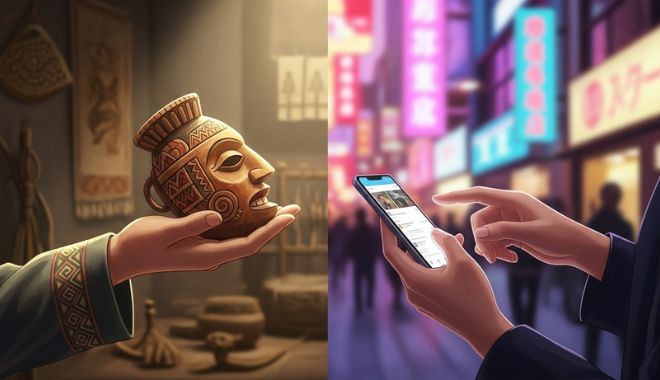
One of the biggest concerns is losing traditions, languages, and heritage. When assimilation is too strong, unique identities disappear.
Changing too much too quickly can create emotional stress. Individuals may feel stuck between two worlds—never fully belonging to either.
If everyone becomes similar, society loses cultural richness and alternative perspectives.
Sometimes assimilation isn’t a choice but a survival mechanism. People may feel forced to change due to racism or social exclusion.
Assimilation demands that newcomers adopt the dominant culture.
Integration encourages participation while letting individuals keep their heritage.
In short, assimilation leans toward “be like us,” while integration embraces “join us as you are.”
Most experts believe integration is healthier because it promotes respect, belonging, and individuality. However, mild assimilation—like learning the local language—can still be beneficial.
Migrants to countries like Norway, Germany, and France often learn the language, adapt to social customs, and participate in local institutions to fit in more easily.
Sadly, many indigenous groups worldwide faced forced assimilation—losing languages, clothing, and traditions due to colonial policies. Today, many communities are working hard to revive their heritage.
First-generation immigrants usually speak their native language, the second generation becomes bilingual, and the third often speaks only the dominant language. This is one of the clearest signs of assimilation.
Global content on YouTube, Netflix, and gaming platforms exposes people to the same trends worldwide. As a result, cultures are blending faster than ever.
Apps like TikTok shape global tastes in fashion, music, humor, and language. This creates shared cultural norms that transcend borders.
With millions of people relocating every year for work, safety, and education, assimilation continues to be a major part of global life.
Assimilation helps newcomers understand the values and structure of their new society. It also supports smoother communication and economic success.
When assimilation is forced or expected at the cost of personal identity, it becomes harmful. Cultures thrive when people can adapt without losing themselves.
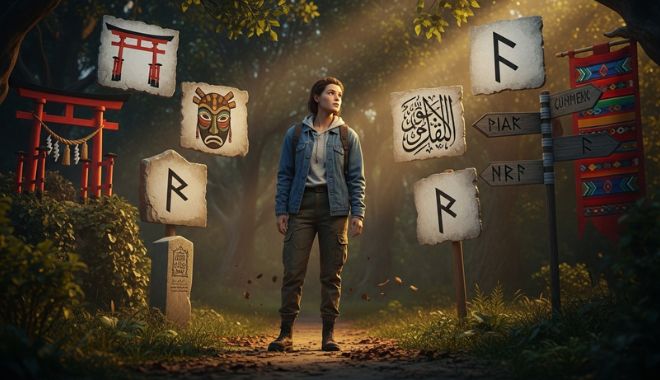
Embrace your traditions—language, music, clothing, celebrations. They are part of your identity, not obstacles.
Ethnic communities create a safe space for cultural preservation. They provide shared experiences, support, and belonging.
Family stories and traditions help younger generations stay connected to their roots and understand where they come from.
The healthiest approach is blending the best of both worlds—adapting to the new culture while safeguarding heritage.
Assimilation is a journey that’s as personal as it is societal. It can open doors to opportunities, acceptance, and growth, but it can also challenge identity, heritage, and cultural uniqueness. The key lies in balance—adapting to a new society while keeping a connection to your roots. Understanding assimilation helps individuals navigate cultural changes consciously and empowers societies to create inclusive environments that respect diversity. Ultimately, assimilation doesn’t have to mean losing yourself; it’s about learning how to belong without forgetting who you are.
Assimilation is the process of adopting the culture, language, behaviors, and values of a dominant society, often while living in a new country or environment.
No. Assimilation often requires giving up aspects of your original culture, while integration allows participation in a new society while keeping your heritage intact.
Yes. Children and grandchildren of immigrants often adopt the dominant culture more fully, which may lead to language shifts and cultural blending over generations.
Potential negatives include loss of cultural identity, identity confusion, reduced diversity, and social pressure to conform.
Maintaining cultural pride, participating in community networks, keeping family traditions, and practicing balanced adaptation can help preserve identity while assimilating.