Physical Address
304 North Cardinal St.
Dorchester Center, MA 02124
Physical Address
304 North Cardinal St.
Dorchester Center, MA 02124
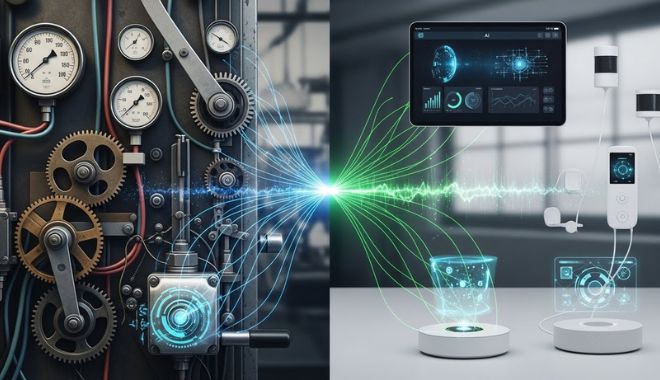
Resource management has always been the backbone of operational success—whether in businesses, governments, or entire ecosystems. But let’s be real: managing resources without technology felt a lot like trying to solve a puzzle with half the pieces missing. Today, technology has filled those gaps, offering clarity, accuracy, and predictive power.How Technology Guides Smarter Resource Management?
In this article, we’ll break down how modern tech tools guide smarter resource management, why it matters, and where the future is headed.
Resource management is the strategic process of planning, allocating, and monitoring resources—like people, money, materials, energy, time, and natural assets. The goal? To use everything as efficiently and sustainably as possible.
Think of it like managing a household budget: you track expenses, plan purchases, avoid waste, and make decisions that maximize benefit. Organizations do the same thing but on a much larger and more complex scale.
In today’s world, resources are more limited, demand is higher, and competition is global. Inefficient management can lead to:
Increased operational costs
Waste of valuable materials
Delays and bottlenecks
Environmental damage
Poor customer satisfaction
Technology-driven resource management doesn’t just prevent these issues. It transforms them into opportunities for optimization, growth, and innovation.
Years ago, resource management relied on spreadsheets, physical logs, and manual tracking. It was slow, error-prone, and difficult to scale.
Today, digital tools have made data collection automatic, accurate, and real-time. Instead of guessing, organizations now rely on measurable insights. Tasks that once took hours can now be done in seconds.
Automation is no longer optional—it’s essential. Automated systems manage repetitive tasks, track inventory levels, adjust energy usage, and trigger alerts without human intervention.
This shift not only boosts efficiency but also frees up teams to focus on strategic priorities rather than routine maintenance.
AI is the brain of modern resource management. Its ability to learn from data and make sense of patterns makes it incredibly powerful.
AI-powered predictive analytics forecast:
Future resource needs
Equipment failures
Inventory shortages
Workforce schedules
This allows leaders to stay ahead instead of constantly reacting to problems.
AI makes split-second decisions based on real-time inputs. Whether it’s adjusting energy flow in a smart grid or triggering a supply order, automated decisions reduce delays and minimize human errors.
IoT connects physical devices—like sensors, machines, and meters—to the internet. This network helps organizations track what’s happening on the ground, moment by moment.
Sensors monitor everything from temperature and humidity to water quality and machine performance. With real-time data, organizations can detect issues instantly.
IoT enables remote tracking of equipment, pipelines, energy systems, and more. You don’t have to be physically present to understand the situation. Alerts, status updates, and dashboards are available anywhere, anytime.
Cloud computing makes resource management scalable and flexible.
Instead of storing information in scattered systems, the cloud gathers everything into one secure source of truth. This makes it easier to:
Analyze performance
Share data across departments
Maintain transparency
Teams across different locations—or even countries—can access the same resource data in real time. This level of collaboration was impossible before cloud-based systems.
Big data refers to massive and complex datasets that traditional tools couldn’t handle. Today, advanced analytics can break these down into meaningful patterns.
Big data tools reveal trends that humans might overlook—like seasonal patterns in demand or hidden inefficiencies in production.
With more accurate predictions, businesses can avoid shortages, reduce waste, and streamline processes.
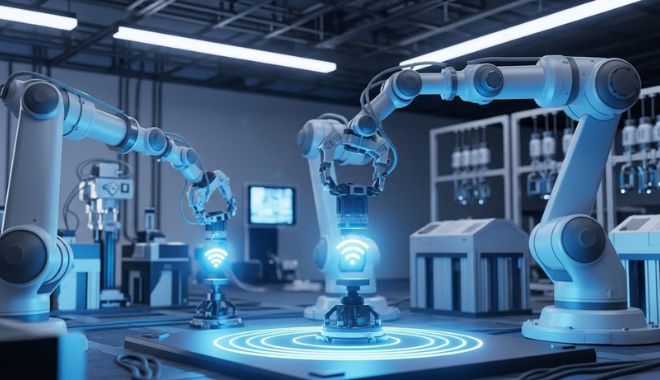
Robotics helps automate physical tasks like packaging, sorting, assembling, and monitoring. These systems reduce human error, maintain consistency, and increase output speed.
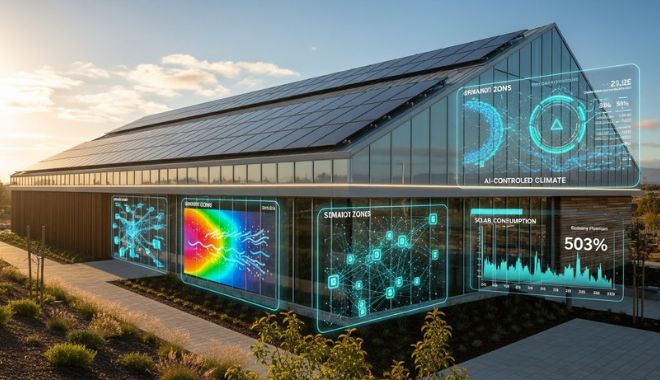
Smart grids use sensors, automation, and AI to distribute electricity efficiently. They balance supply and demand, detect outages instantly, and reduce energy loss.
These meters help homes and companies track real-time energy consumption. With better visibility, users can reduce usage, lower bills, and prevent waste.
Smart water sensors instantly detect leaks and abnormal flow patterns. This minimizes water loss and prevents costly damage.
Real-time water analysis ensures safety and compliance. These systems track contaminants, pH levels, temperature, and more.
AI tools optimize schedules based on capacity, workload, and skillsets. They ensure the right people are assigned to the right tasks at the right time.
Analytics platforms measure productivity, track project progress, and identify bottlenecks so teams can improve performance smoothly.
Smart budgeting tools analyze spending patterns, predict future expenses, and identify cost-saving opportunities.
AI systems detect suspicious transactions instantly, helping organizations prevent financial loss and maintain trust.
Precision agriculture tools (like drones, soil sensors, and AI) help farmers use water, fertilizer, and land efficiently. This leads to healthier crops and lower environmental impact.
Drones, satellite imaging, and IoT devices track wildlife populations, illegal logging, and changes in forest health—helping conservationists act quickly.
Tech reduces manual work and speeds up operations. Automation ensures processes are consistent and mistake-free.
Smart systems help cut waste, prevent downtime, and optimize usage—leading to major savings in the long run.
When leaders have clear, real-time insights, decision-making becomes faster and more confident.
Technology empowers organizations to minimize environmental impact while maintaining high performance.
Cities like Singapore and Dubai use IoT sensors for traffic control, waste management, air quality monitoring, and energy optimization.
Factories leverage AI, robotics, and automation to reduce downtime, streamline supply chains, and improve quality control.
Hospitals use predictive analytics to manage staff schedules, patient flow, and equipment usage—leading to faster care and fewer bottlenecks.
From smart irrigation systems to AI-powered crop analysis, technology is transforming the entire global food supply chain.
As systems gather more data, protecting that information becomes critical. Organizations must invest in cybersecurity to maintain trust.
Advanced technologies can be expensive to implement. However, long-term savings and efficiency gains often outweigh the upfront cost.
Not every team has the expertise to manage AI, IoT, or data analytics. Training and upskilling become essential for successful adoption.
Hyperautomation combines AI, robotics, and machine learning to automate entire workflows—end to end.
Systems will eventually monitor themselves and make independent adjustments without human involvement.
Digital twins are virtual replicas of physical assets. They help organizations simulate changes before implementing them—reducing risk and improving planning.
AI will become the default approach to planning, optimizing, and managing resources in every industry.
How Technology Guides Smarter Resource Management? Smart resource management is no longer just a competitive advantage — it’s a necessity for long-term sustainability and operational success. Technology has become the bridge between traditional systems and modern efficiency, giving organizations the ability to predict, automate, and optimize like never before. Whether it’s conserving energy, improving workforce productivity, or safeguarding natural resources, tech-driven solutions help us work smarter, reduce waste, and make decisions backed by real data. As innovation continues accelerating, the organizations that embrace these tools today will lead the future of smarter, more sustainable resource management tomorrow.
Technology helps organizations monitor, allocate, and optimize resources more effectively by providing real-time data, predictive insights, and automated workflows.
IoT devices track real-time conditions — like temperature, water flow, or machine performance — allowing faster responses, reduced waste, and better operational control.
Absolutely. Many digital tools, like cloud-based apps and AI analytics, are affordable and scalable, making them ideal even for small teams.
Common challenges include high initial costs, data privacy concerns, and a lack of technical skills within teams. However, training and phased implementation can help overcome these barriers.
Expect rapid growth in hyperautomation, AI-driven decision systems, digital twins, and autonomous resource control — all designed to make resource planning smarter and more efficient.